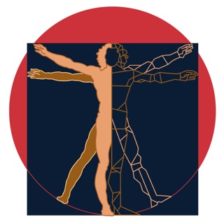

Since time immemorial, studies on any field relating to cognition, the view of the human mind, is that it is both a storehouse and a processing center of whatever we experience with our senses. Nobody can know what anybody is thinking or what goes on inside somebody’s head, however a person’s thought processes are […]
Identifying the Neural Substrates of Cognitive Evolution and its Implications from a Christian Perspective
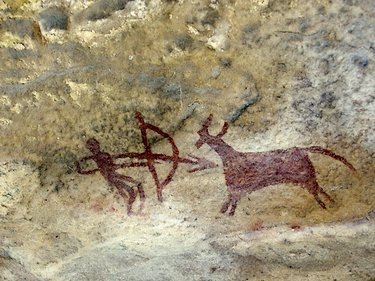
Considering its theoretical nature, the study Cognitive Archeology continues to grow year by year as ideas on the evolution of cognition and as theories on the interpretation of thoughts and symbolic structures as perceived in past material culture continues to abound. Despite the deluge of ideas on the evolution of cognition, most approaches have been […]
Is the emergence of human behaviour gradual or a result of a “revolution”?
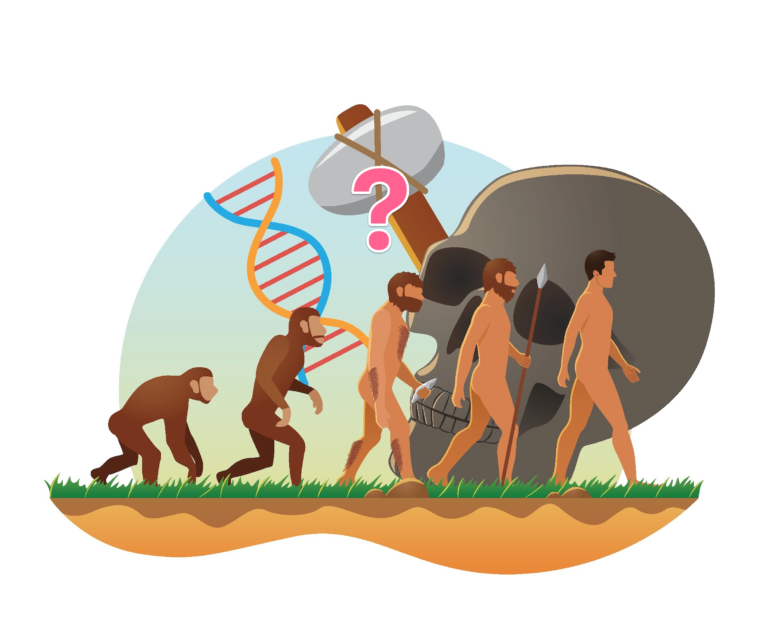
When did language, culture, consciousness and “modern” human behavior as we perceived it to be, begun? Did it begin 10,000, 30,000, 50,000 or 300,000 years ago? When did it all start? What are the reasons for its emergence? How did it all begin? These are the nagging questions that Cognitive archeology and other disciplines related […]
Does the archeological record reflect the capability of the Neandertals for symbolic thought?

There can be no doubt that language and symbolism forms an important part in studies relating to the evolution of cognition hence a great deal of research has been devoted to this. One of the must influential archeologists working on the subject is Francesco d’Errico. In an article written in 2003 entitled “Archaeological Evidence for […]
Can studying bonobos and stone knapping modern humans provide us answers to questions on the evolution of modern cognition ?

The highly theoretical nature of the field of Cognitive archeology requires it to use various approaches from different disciplines in order to come up with somewhat reasonable theory as a solution to the problems that it seeks to answer. This is but necessary considering that cognitive archeologist could no longer conduct actual experiments on their […]